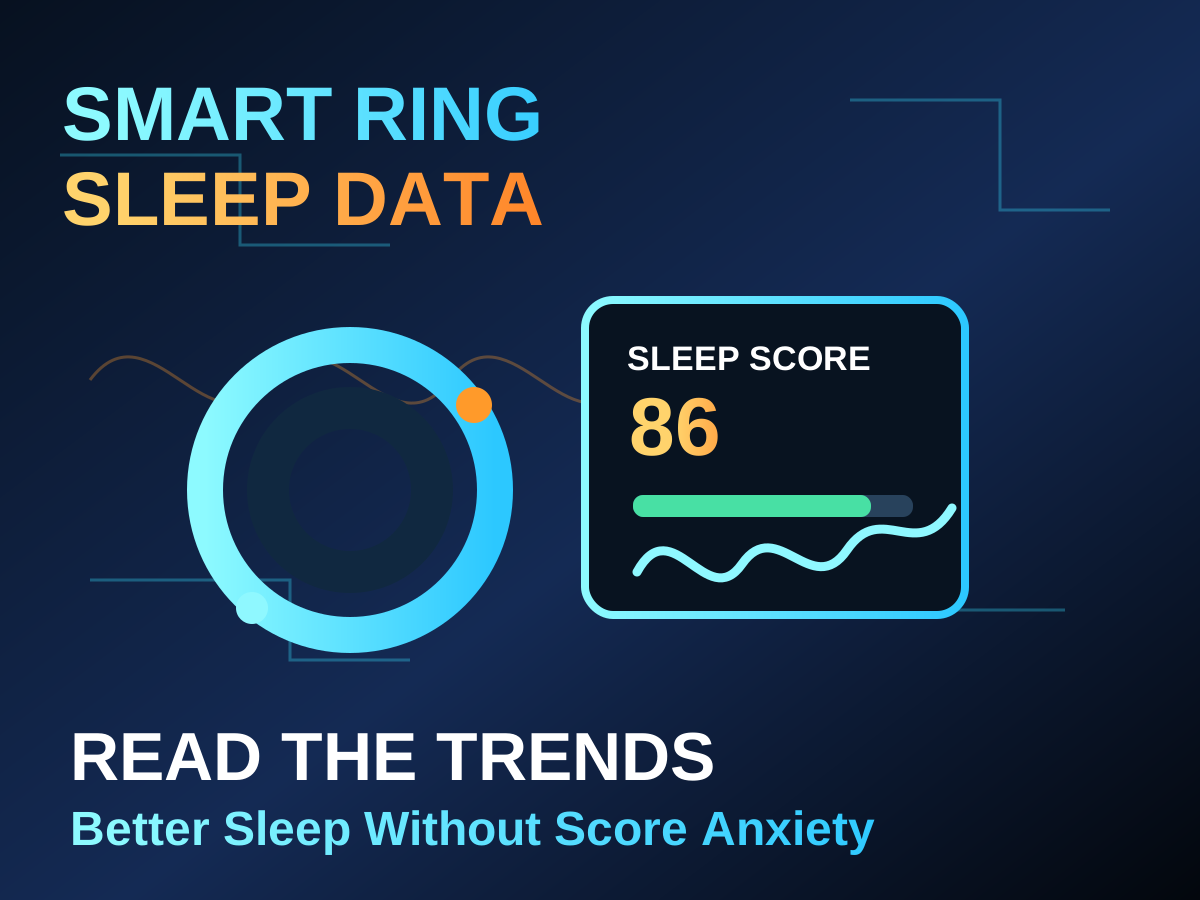
Smart rings are popular because they make sleep visible. They show duration, wake time, temperature trends, heart-rate patterns, and recovery scores. That can help people notice habits. It can also create anxiety if every number becomes a reason to worry.
The healthiest approach is to watch patterns, not single nights. One poor score after a late dinner, travel day, or stressful evening is not a disaster. A two-week pattern is more useful.
What to watch
- Consistent bedtime and wake time.
- Total sleep trend across a week.
- Late caffeine or heavy dinner effects.
- Screen and work timing before bed.
- How you feel compared with the score.
What not to do
| Avoid | Try instead |
|---|---|
| Panicking over one bad score | Look at weekly trend |
| Changing everything at once | Test one habit for seven days |
| Ignoring symptoms | Speak to a professional if problems persist |
| Trusting the device blindly | Compare with how you feel |
Wearables are not medical diagnosis tools. If you have severe insomnia, breathing concerns, chest pain, unusual fatigue, or ongoing health problems, consult a qualified clinician.
Use sleep data to guide small habit experiments, not to punish yourself for being human.